Exam Operations SLA Tracker
Posted · Updated
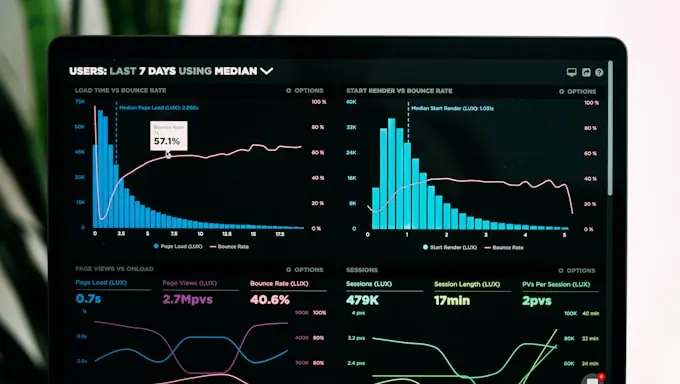
Built a Power BI and Google Sheets-based SLA tracking system to centralize examination readiness monitoring across device compliance, invigilation staffing, and pre-exam preparation checkpoints, enabling operations teams to identify and escalate at-risk items before examination periods.
Project details
Centralized examination readiness data from multiple operational streams — device inventory and compliance status, invigilation personnel assignments, venue preparation checklists, and technology setup verification — into a single unified dashboard providing real-time visibility into overall exam preparedness.
Designed SLA threshold indicators and automated alerting logic to flag checkpoints at risk of breaching target deadlines, enabling operations leads to prioritize escalation actions and allocate resources to the most critical preparation gaps before each examination cycle.
Produced daily SLA health snapshots shared with examination coordinators and operations leads, providing concise status summaries that highlighted items requiring immediate attention and tracking the resolution progress of previously flagged issues across 120+ tracked devices per cycle.
Improved overall SLA adherence to About 95% by replacing ad-hoc tracking methods with a structured, metric-driven approach that established clear accountability for each readiness checkpoint and provided historical trend data to support continuous process improvement across examination operations.
Work Context: At FUTA (Systems & Data Analyst / System Programmer, 2017–2023), this SLA tracking model was used to coordinate exam readiness and prioritize escalation for at-risk checkpoints.
Current Implementation: I now preserve the same threshold logic in reusable assets (`scripts/python/reporting/sla_at_risk_report.py` with `data/sample/exam_tasks.csv`) to test queues before each exam window.
Impact
Case study
Project Summary
Built a Power BI and Google Sheets-based SLA tracking system to centralize examination readiness monitoring across device compliance, invigilation staffing, and pre-exam preparation checkpoints. The system enabled operations teams to identify and escalate at-risk items before examination periods, improving overall SLA adherence to approximately 95% by replacing ad-hoc tracking with a structured, metric-driven approach.
Work Context
At FUTA (Systems & Data Analyst / System Programmer, 2017–2023), this SLA tracking model coordinated exam readiness and prioritized escalation for at-risk checkpoints across multiple operational streams — device inventory and compliance status, invigilation personnel assignments, venue preparation checklists, and technology setup verification. SLA threshold indicators and automated alerting logic flagged checkpoints at risk of breaching target deadlines, and daily health snapshots were shared with examination coordinators and operations leads.
Current Implementation
I continue the same threshold logic in reusable reporting assets, using configurable at-risk thresholds and sample task queues to test readiness classification before each exam window.
Results and Impact
- SLA adherence: 95% through structured monitoring
- Devices tracked per cycle: 120+
- Readiness checkpoints tracked daily: 6
Deliverables
- Reporting scripts: https://github.com/toughdave/scripting/tree/main/scripts/python/reporting
- At-risk report script:
scripts/python/reporting/sla_at_risk_report.py - Audit packet export:
scripts/python/reporting/excel_export_audit_packet.py - Task queue sample:
data/sample/exam_tasks.csv
Technical Notes
- Classification bands: on-track, at-risk (within threshold days of due date), overdue (past due date), and completed (on-time or late).
- Configurable threshold parameter controls the boundary between on-track and at-risk states.
- Daily snapshots provide concise status summaries highlighting items requiring immediate attention.
- Historical trend data supports continuous process improvement across examination operations.