Cisco Catalyst 3850 Troubleshooting Lab - Connectivity Recovery Playbook
Posted · Updated
Executed a hands-on Cisco Catalyst 3850 troubleshooting lab and resolved five network issues across ICMP reachability, NIC sharing, VLAN subnet alignment, SVI state, and DHCP binding conflicts using command-level validation.
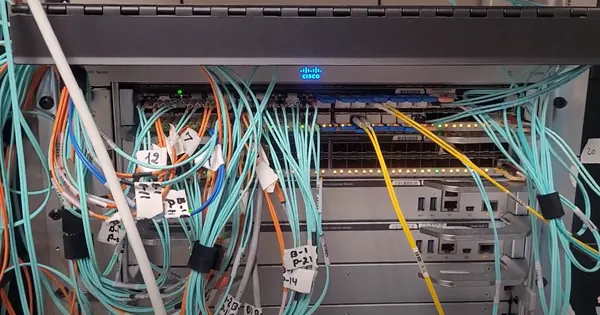
Project details
Built and executed a structured Cisco Catalyst 3850 troubleshooting lab using two endpoints, console access, and switched Ethernet links to validate baseline reachability, segmented VLAN behavior, and DHCP lease handling under real hardware conditions.
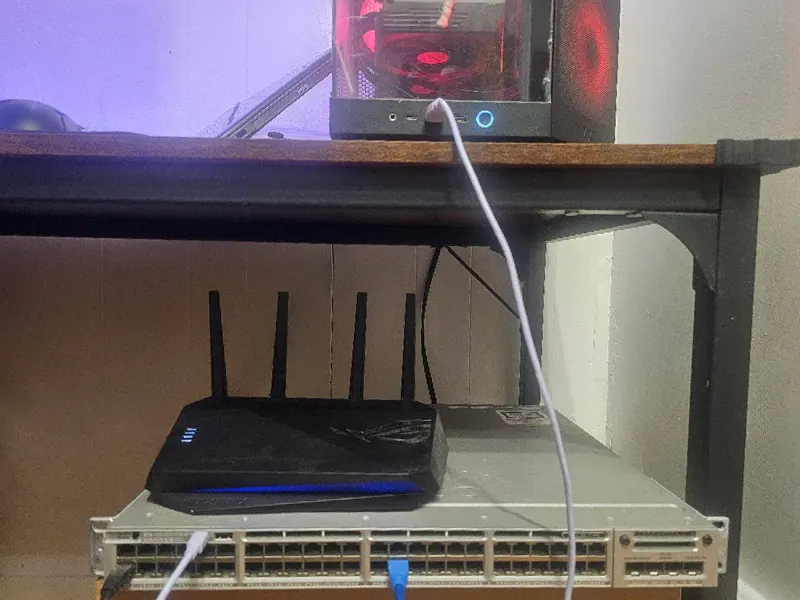
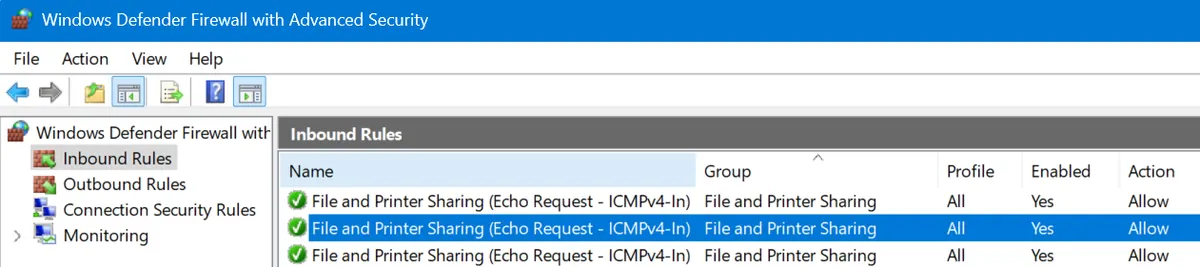
Diagnosed end-to-end connectivity blockers by validating host firewall policy, adapter sharing behavior, VLAN interface addressing, and SVI activation state, then applying targeted corrective changes with command-level verification after each fix.
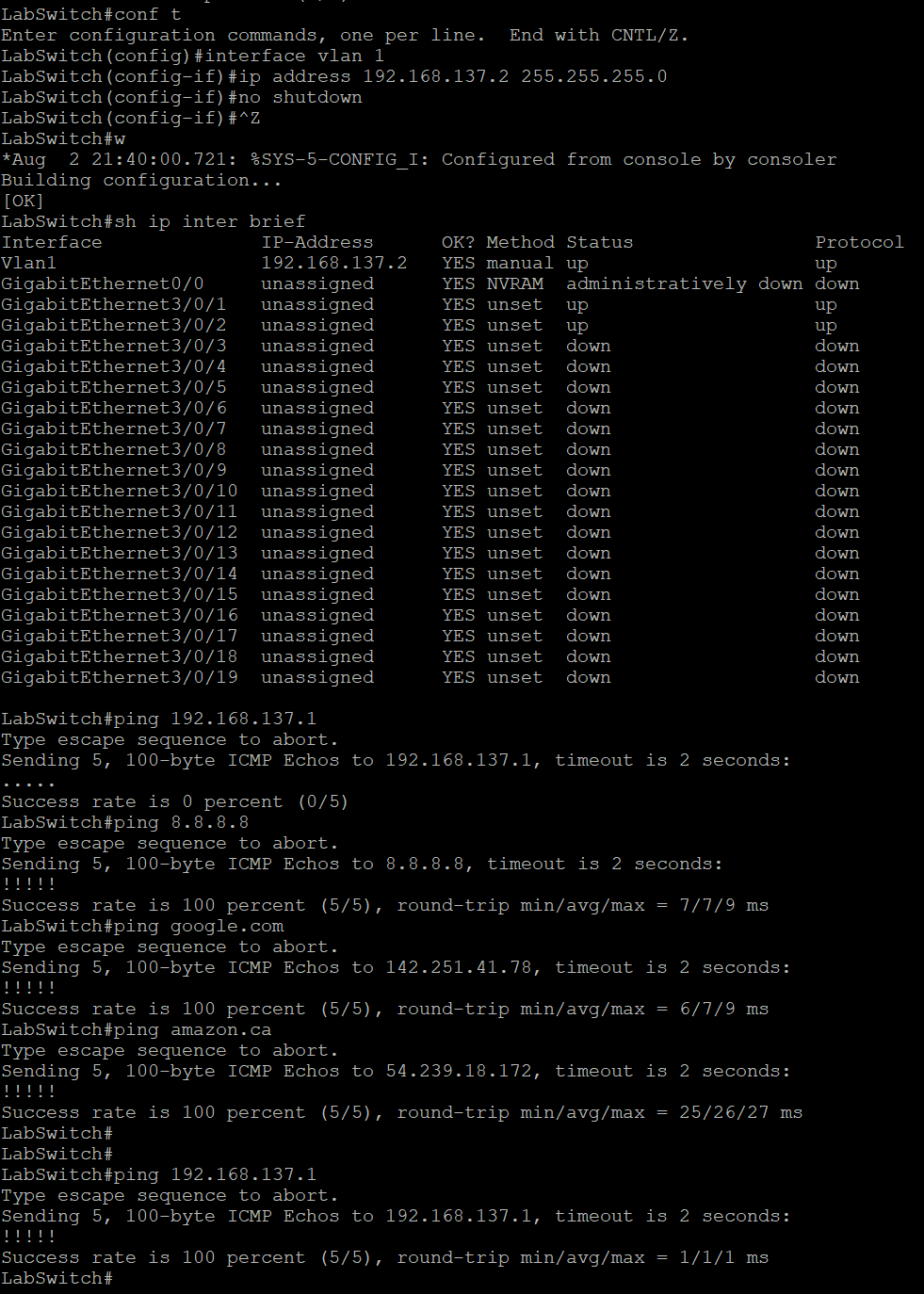
Documented each issue as a structured troubleshooting record, preserving observed symptoms, root causes, commands used, and validation outcomes so the lab can be replayed as a repeatable networking operations reference.
Work Context: At Pures College (IT Systems Support and Computer Instructor, 2024–2025), I used this same troubleshooting workflow to coach students through practical switch diagnostics and stepwise fault isolation.
Current Implementation: I now run and document the same process in my personal home lab and consultant support routines, pairing switch diagnostics with Docker-based checks, domain/DNS validation, and Microsoft 365 access-impact checks before closure.
Impact
Case study
Project Summary
Executed a hands-on troubleshooting exercise on a physical Cisco Catalyst 3850 lab by resolving connectivity, subnet alignment, VLAN interface state, and DHCP conflict issues with command-level validation.
Work Context
At Pures College (IT Systems Support and Computer Instructor, 2024–2025), I regularly guided students through structured switch troubleshooting routines where each fault was isolated, corrected, and validated before moving to the next stage. The same approach drove this lab execution to keep diagnostics clear and recovery steps consistent.
Current Implementation
I now run and document this workflow in my personal home lab and consultant operations, pairing switch diagnostics with Docker-based validation checks, domain/DNS verification, and Microsoft 365 access-impact checks before closure.
Results and Impact
- Issues resolved: 5
- Focused visuals used: 4
- Physical devices used: 3 (Catalyst switch + 2 endpoints)
Deliverables
- Stepwise troubleshooting timeline with root cause and corrective actions
- Command snippets used for verification and DHCP cleanup
- Curated visual checkpoints aligned to each major recovery step
Technical Notes
- Connectivity checks used ICMP validation before and after each fix.
- VLAN/subnet alignment was corrected by readdressing the VLAN 1 SVI to the active segment.
- Inter-VLAN reachability was restored after bringing VLAN 30 out of shutdown state.
- DHCP conflict handling included clearing active bindings and removing conflicting assignment definitions.